Keynote Speakers
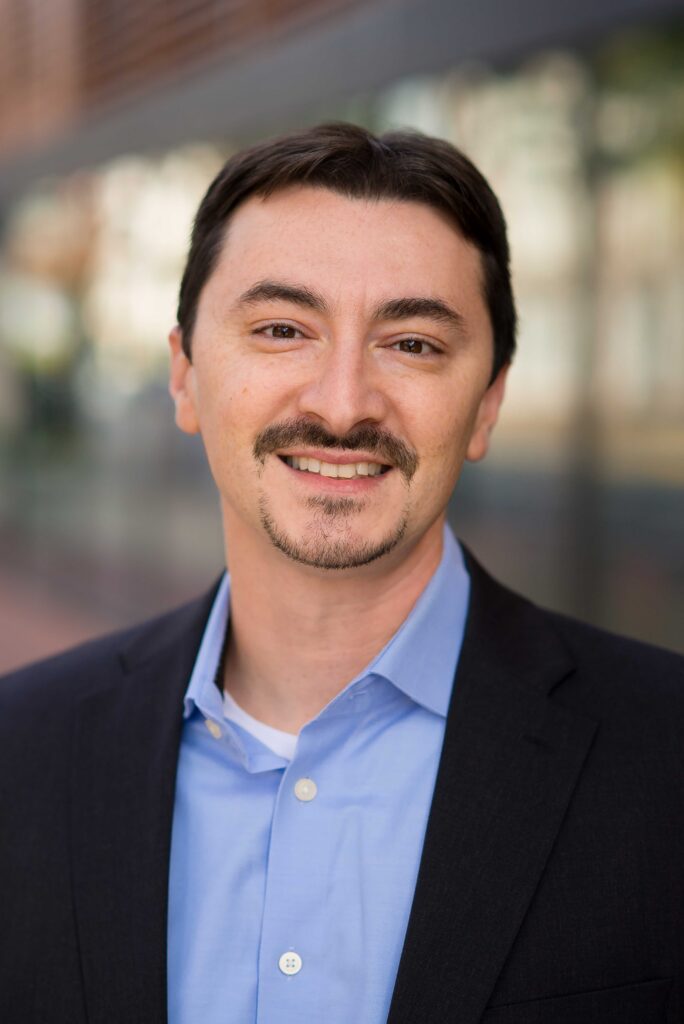
Alex Chausovsky is the President of 3DM Consulting. He is a highly experienced market researcher and analyst with more than two decades of expertise across subjects including economics, manufacturing, automation, advanced technology trends, and business cycle analysis. He has consulted and advised companies throughout the US and Canada, Europe, South America, and Asia.
Opening Keynote:
Economic, Policy, and Labor Market Update
The macro environment around us is constantly changing, often with significant ramifications. As we transition to a multipolar world, there are shifting global alliances and multiple conflict hot spots around the world, some of which have turned into full-out war. Not to mention tariffs, sanctions, trade embargoes and many other disruptive forces at work. All of this impacts your business – sometimes directly and sometimes indirectly. There are financial, operational, strategic, and social implications that business leaders and key decision makers in the construction industry must be aware of to successfully navigate the evolving landscape.
In this session, you’ll hear from Alex Chausovsky, the President of 3DM Consulting, who will deliver an insightful analysis of how these events will impact the economy and how they could affect the outlook for your business. He’ll explain the potential impact on supply chains, input prices, and labor market dynamics, among others. Most importantly, he’ll share what key leading indicators are telling us about the direction of the industry and offer practical and actionable advice for business leaders based on today’s geopolitical and macroeconomic forces, helping audience members plan for future operating conditions.
Attendees will walk away from the session with the following insights:
- An objective assessment of time-sensitive geopolitical and economic indicators such as business investment, inflation, interest rates, and tariffs
- Concrete advice on how to navigate the current macroeconomic climate and plan for the future, with a particular focus on tactical advice
- Risk management and flexible scenario planning strategies to help you make informed decisions in an uncertain world.
- Tools that leaders can leverage to be data-driven decision makers for their organizations
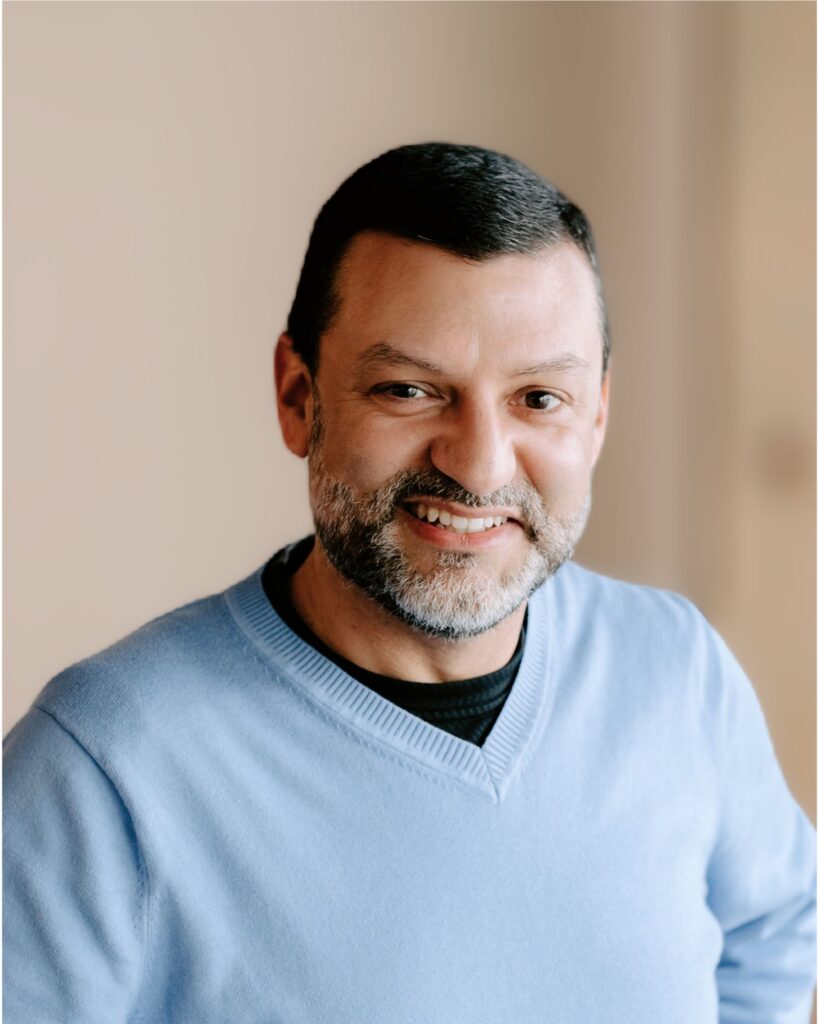
Aaron Proietti helps people and organizations make sense of change. As the founder of Today’s Innovator and a former Chief Innovation Officer at Transamerica, he works at the intersection of generative AI, systems thinking, and strategic clarity. His work spans keynote speaking, leadership training, strategic facilitation, and advisory engagements across nonprofits, trade associations, and corporations navigating complex disruption.
Closing Keynote:
Leadership in the Era of Generative AI: The New Leadership Job Description for an Age of Stacked Disruption
As technological change accelerates and systemic shocks arrive before institutions have fully absorbed the last one, leadership itself is being redefined. This keynote examines the patterns beneath disruption and explores why the pace and stacking of change are reshaping what it means to lead.
Drawing from history, systems thinking, and the practical realities of generative AI, Aaron challenges audiences to move beyond reactive adaptation. Through storytelling and demonstration, he builds toward a New Leadership Job Description: a living framework of what leaders must now practice to navigate an era in which technology is growing more capable and responsibility is growing more consequential.
Attendees will walk away from the session with the following insights:
- Recognize the patterns that make disruption visible before its effects become unavoidable
- Reframe leadership responsibilities for an environment of continuous technological change
- Make consequential decisions before they are made for you
- Discuss AI across the organization with greater precision, realism, and shared language
Construction Cafe
Tuesday, November 10th
The Construction Café is designed to spark thought-provoking discussions. Participants selected 3 topics from 10 total topics to discuss with groups over the course of the one-hour program. At the end of the session, participants share lessons learned.
1.
AI in Construction
2.
Automation & Software
3.
Controlled Environment Design & Consumer Trends
4.
Economic Trends
5.
Emerging Segments (Non-Food Channels)
6.
Emerging Technology
7.
Energy & Efficiency
8.
Fire Safety
9.
Next Generation Refrigeration
10.
Pre-Construction Trends
11.
Recruitment & Retention
12.
Real Estate & Development
13.
Safety & Risk Mitigation
14.
Sustainable Building Design
Education Sessions
Tuesday, November 10th
Modernizing Ammonia Regulations
Presenter: Kurt Liebendorfer, VP Evapco
Did you know that The International Institute of All-Natural Refrigeration (IIAR) has created a Task Force to reduce federal regulations on ammonia and is working with EPA and OSHA to make it happen!
Come learn more about this initiative led by the “𝐍𝐎𝐑𝐌 𝐓𝐚𝐬𝐤 𝐅𝐨𝐫𝐜𝐞”, which is leading the charge to help the cold storage and food processing industries lessen the regulatory burden of using ammonia refrigeration.
This is a great opportunity for CEBA, all ammonia end users, contractors, OEMs, insurers, and associations to support this effort and advocate for 𝐌𝐨𝐝𝐞𝐫𝐧𝐢𝐳𝐢𝐧𝐠 𝐀𝐦𝐦𝐨𝐧𝐢𝐚 𝐑𝐞𝐠𝐮𝐥𝐚𝐭𝐢𝐨𝐧𝐬, particularly when HFC refrigerants are being phase out and all Freons are experiencing tremendous price escalation.
Ammonia refrigeration has a long and successful history with CEBA members, and the NORM initiative to modernize the regulations will help guarantee its successful use long into the future.
2:00 PM - 2:45 PM
Building Envelope Performance: Lessons From Energy Modeling
Presenter: Austin Lesher, Manager, Strategic Accounts, Carlisle
Cold storage facilities are among the most energy-intensive building types, yet roof insulation decisions are often based solely on published R-values without considering how insulation performs at the temperatures these facilities actually operate. This session presents findings from third-party energy modeling and roof assessments that evaluated how insulation performance influences refrigeration demand and total facility energy consumption.
Using real project data and whole-building energy models, attendees will see how roof thermal performance affects refrigeration loads across freezer and blast freezer applications. The presentation will review results from independent energy analysis, discuss how insulation behavior changes at low temperatures, and demonstrate how these differences can translate into measurable lifecycle operating costs.
Attendees will leave with a practical framework for evaluating roof assemblies as an energy asset rather than simply a code requirement, helping owners make more informed decisions for future cold storage projects.
Site Location Best Practices
Session Description:
Panel discussion on best practices for site location including utilities, logistics, labor, incentives, and design-construction.
Panelists:
- Tim Weston – Brasfield & Gorrie – project development and construction
- Tyler Chaffee – TVA Electric Utility – target market specialist
- Josh Bays – Site Selection Group – economic incentives and industrial development advisory practice
- Jack Thomas- Little Rock Regional Chamber – economic development
3:00 PM - 4:15 PM
Wednesday, November 11th
Panel: Built by the Best — Innovations in Controlled Environment Construction
The Controlled Environment Building Association’s Built by the Best Award celebrates the most innovative, complex, and impactful controlled environment facilities built around the world.
In this session, a panel of award finalists—spanning contractors, design-build firms, and end-users—will share the stories behind their standout projects, from new builds to specialized renovations. Attendees will gain firsthand insights into the challenges overcome, creative solutions developed, and forward-thinking innovations that brought these world-class facilities to life.
Discover how collaboration and ingenuity are redefining standards in controlled environment construction, and get inspired by the projects that earned CEBA’s prestigious Built by the Best distinction.
9:30 AM - 10:45 AM
Criteria for Selection of Cold Storage Package Refrigeration – By Considering Refrigerant Type (Ammonia, CO2 or Synthetic)
Presenter: John Collins, Director of Industrial Sales, Zero Zone Inc.
This presentation evaluates criteria for selection of packaged refrigeration system for cold storage applications considering three refrigerants as the basis of comparison: ammonia, carbon dioxide, and synthetic. System performance based on calculated equipment operating data is presented for similar systems using each refrigerant. Other factors involved in refrigerant selection are presented, including regulatory issues, safety, operations, and costs. A method for a qualitative decision process is presented and a comparison of the systems using each refrigerant is provided.
11:30 AM - 12:15 PM
Protecting the Low Temp Structure from the Top Down: A Paradigm Shift in Cold Storage Roof Design
Presenter: Rolf Snobeck, RRC, Vice President of Technology, L Marshall Roofing & Sheet Metal Inc.
A cold-storage facility is a significant investment designed to maintain the controlled environment necessary to protect temperature-sensitive products and preserve their quality and freshness for the consumer. The roof is one of the largest and most critical components of that building envelope.
Through the eyes of an experienced roofing and building-envelope professional, we will examine how 150 years of low-slope commercial roofing history can help create a paradigm shift in roof design and system selection for today’s cooler, freezer, and rack-supported structures. Conventional roofing practices developed for offices and warehouses may not adequately address the extreme temperature differentials, vapor drive, insulation performance, and air movement found in low-temperature facilities. When they do not, icing, condensation, energy loss, and premature roof deterioration can result.
The refrigeration system creates the controlled environment—the building envelope must preserve it. By challenging conventional thinking, this session will chart a better path toward predictable roof performance and long-term protection of the owner’s facility, investment, and product.